What Is Waterproofing and Why Is It Essential for Every Building?
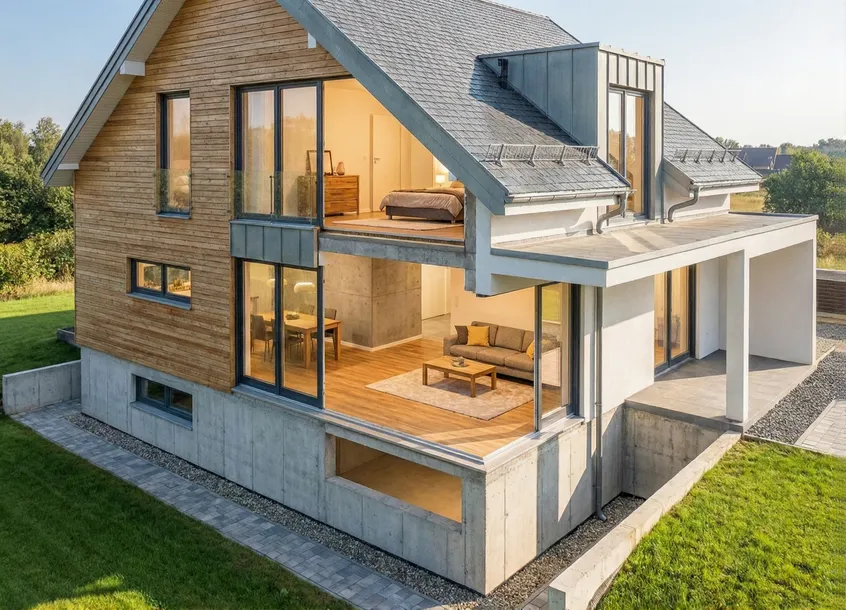
What Is Waterproofing and Why Is It Essential for Every Building?
Waterproofing is one of the most critical applications that ensure buildings remain durable and healthy over the long term. When water penetrates building materials, it can cause serious damage. These damages include cracking, mold and fungus formation, deformation of flooring, paint blistering, and structural issues. Therefore, waterproofing is essential for every structure. Waterproofing not only increases a building’s durability but also improves indoor comfort, enhances energy efficiency, and reduces maintenance costs.
Waterproofing is an indispensable part of modern buildings. It is not only important for new constructions but also for old and renovated structures. With the right materials and proper application, buildings are protected both economically and aesthetically.
Contents
- What Is Waterproofing?
- The Importance of Waterproofing
- Types of Waterproofing
- Materials Used in Waterproofing
- Application Areas of Waterproofing
- Waterproofing Application Process
- Benefits of Waterproofing
- Common Waterproofing Mistakes
- Conclusion
What Is Waterproofing?
Waterproofing is a set of systems designed to protect building components against water, moisture, and water vapor. Different methods and materials can be applied depending on the type of structure, its intended use, and the environmental conditions it is exposed to.
GET INFORMATION ABOUT WATERPROOFING
The main objectives of waterproofing are:
- Preventing damage caused by rainwater, snow, and groundwater penetrating the structure
- Extending the lifespan of building materials
- Keeping indoor humidity levels under control
- Improving energy efficiency
Proper waterproofing preserves the value of a building both aesthetically and structurally. For example, in a house with an uninsulated basement, moisture can cause mold and fungus to form on walls, leading to health problems and reducing the property’s value.
The Importance of Waterproofing
Waterproofing is a critical requirement for every structure. The main reasons include:
- Structural Durability: Water causes cracking, deformation, and deterioration in materials such as concrete, brick, and wood. A roof or foundation without waterproofing can quickly develop structural problems.
- Health and Comfort: Damp environments encourage mold and bacteria growth, especially indoors. This can trigger asthma, allergies, and other respiratory diseases.
- Energy Efficiency: Well-insulated buildings prevent heat loss and reduce energy costs. When combined with thermal insulation, waterproofing significantly increases a building’s energy efficiency.
- Aesthetics and Value: Water leaks, peeling paint, and moisture stains reduce a building’s aesthetic appeal. Professional waterproofing preserves the building’s appearance and increases its long-term investment value.
Types of Waterproofing
Waterproofing varies according to the type of building element and its intended use. The main types include:
Roof Waterproofing: Roofs are directly exposed to rain and snow. Waterproofing materials used on roofs prevent water penetration while also supporting thermal insulation, minimizing energy loss.
Basement and Foundation Waterproofing: Groundwater and moisture can cause serious damage to foundations. Waterproofing basements and foundations prevents water ingress and keeps interior spaces dry.
Facade Waterproofing: Facades are constantly exposed to rain, snow, and wind. Facade waterproofing prevents water from penetrating walls and reduces heat loss, especially in multi-story buildings.
Bathroom and Wet Area Waterproofing: Areas such as bathrooms, kitchens, and laundry rooms are continuously exposed to water. Waterproofing materials used in these spaces prevent leaks and extend the lifespan of floors.
Balcony and Terrace Waterproofing: Waterproofing balconies and terraces increases resistance to external factors. Without proper waterproofing, terraces may develop cracks in concrete and damage floor coverings over time.
Materials Used in Waterproofing
Modern waterproofing is applied using various materials. The choice of material depends on the type and usage of the structure:
- Bituminous Membranes: Flexible, durable, and waterproof; ideal for roofs, terraces, and foundations.
- Polyurethane Liquid Waterproofing: Easy to apply on irregular and cracked surfaces; long-lasting.
- EPDM and PVC Membranes: UV-resistant and commonly preferred for roofs and terraces.
- Cement-Based Mortars: Used in interior wet areas such as bathrooms and kitchens.
Application Areas of Waterproofing
Waterproofing is necessary for every type of structure:
- Residential Buildings: Protect living spaces from moisture and water damage.
- Commercial Buildings: In offices, shops, and business centers, waterproofing ensures operational continuity and preserves building value.
- Industrial Structures: In factories, warehouses, and production facilities, waterproofing ensures uninterrupted production processes.
- Public Buildings: Provides safe, healthy, and durable environments in schools, hospitals, and government buildings.
Waterproofing Application Process
- Inspection and Analysis: The current condition of the structure and potential risks are assessed.
- Material Selection: Suitable materials are chosen based on the structure type and usage.
- Surface Preparation: Cleaning, roughening, and drying processes are carried out.
- Application: Waterproofing is applied using membrane, liquid, or mortar systems.
- Inspection and Testing: Watertightness and durability tests are performed.
Benefits of Waterproofing
- Extends the lifespan of the structure and reduces maintenance costs
- Prevents health issues caused by mold and moisture
- Provides energy savings
- Preserves the aesthetic appearance of the building
- Increases investment value
Common Waterproofing Mistakes
- Choosing the wrong material provides only a short-term solution
- Insufficient surface preparation reduces waterproofing efficiency
- Non-professional application may cause water leakage to reoccur
- Applying waterproofing layers with insufficient thickness
GET INFORMATION ABOUT WATERPROOFING
Conclusion
Waterproofing is a fundamental application that ensures buildings are long-lasting, healthy, and safe. For every type of structure, the right materials and professional application are essential. With proper waterproofing, buildings become energy-efficient, aesthetically pleasing, and durable. Waterproofing should be applied to every structure to achieve long-term benefits.